A source-led research section examining DʿMT, Yeha, inscriptions, monumental archaeology, Almaqah, chronology, regional interaction, and the transition toward the Aksumite period.
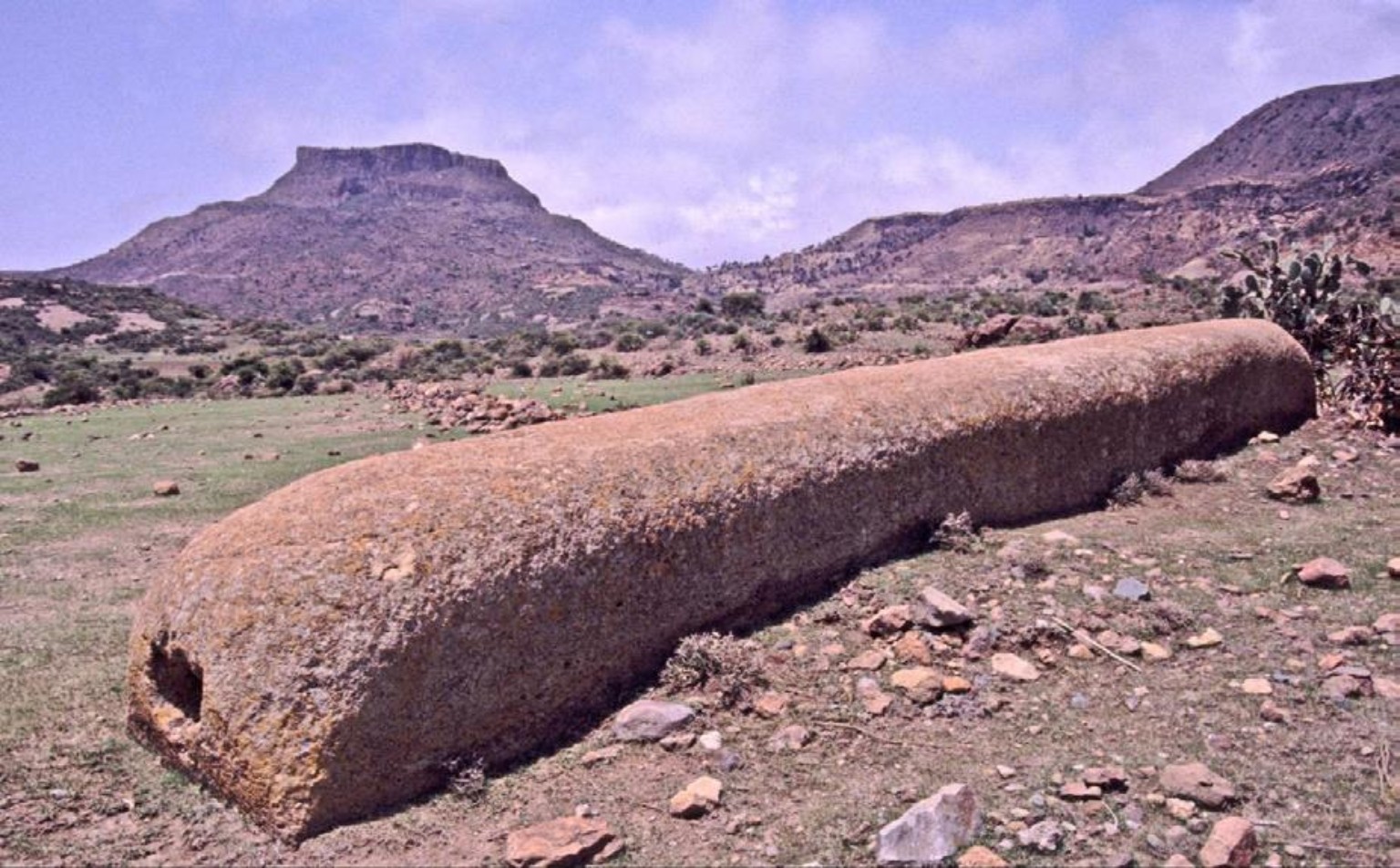
Read the series in order or open any article independently.
Political scale, chronology, inscriptions, Yeha, and the limits of reconstructing DʿMT from incomplete evidence.
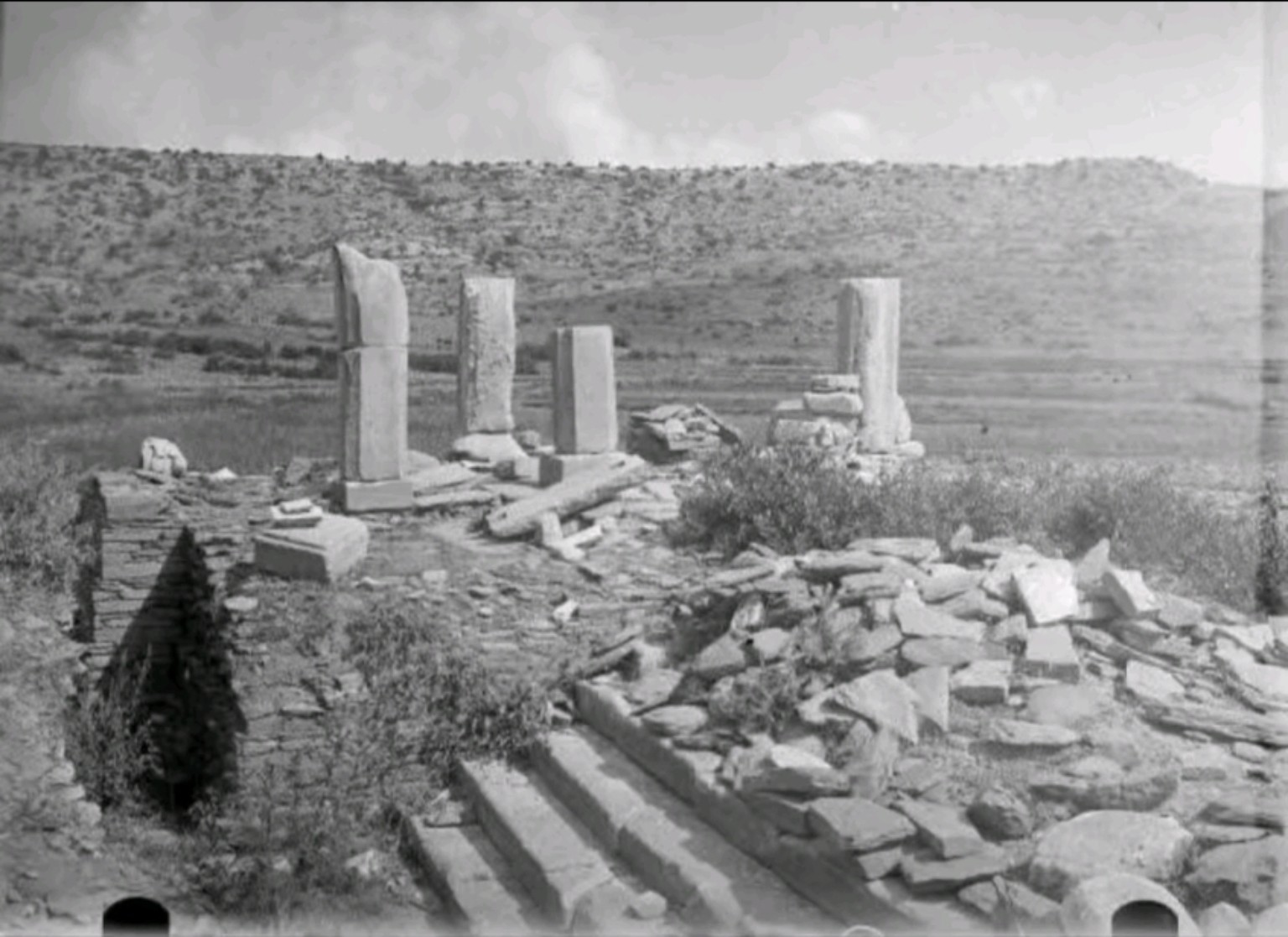
Monumental architecture, writing, archaeology, Sabaean connections, and Yeha's place within the wider Red Sea world.
Archaeological and inscriptional evidence for Almaqah separated from later scholarly interpretation and reconstruction.
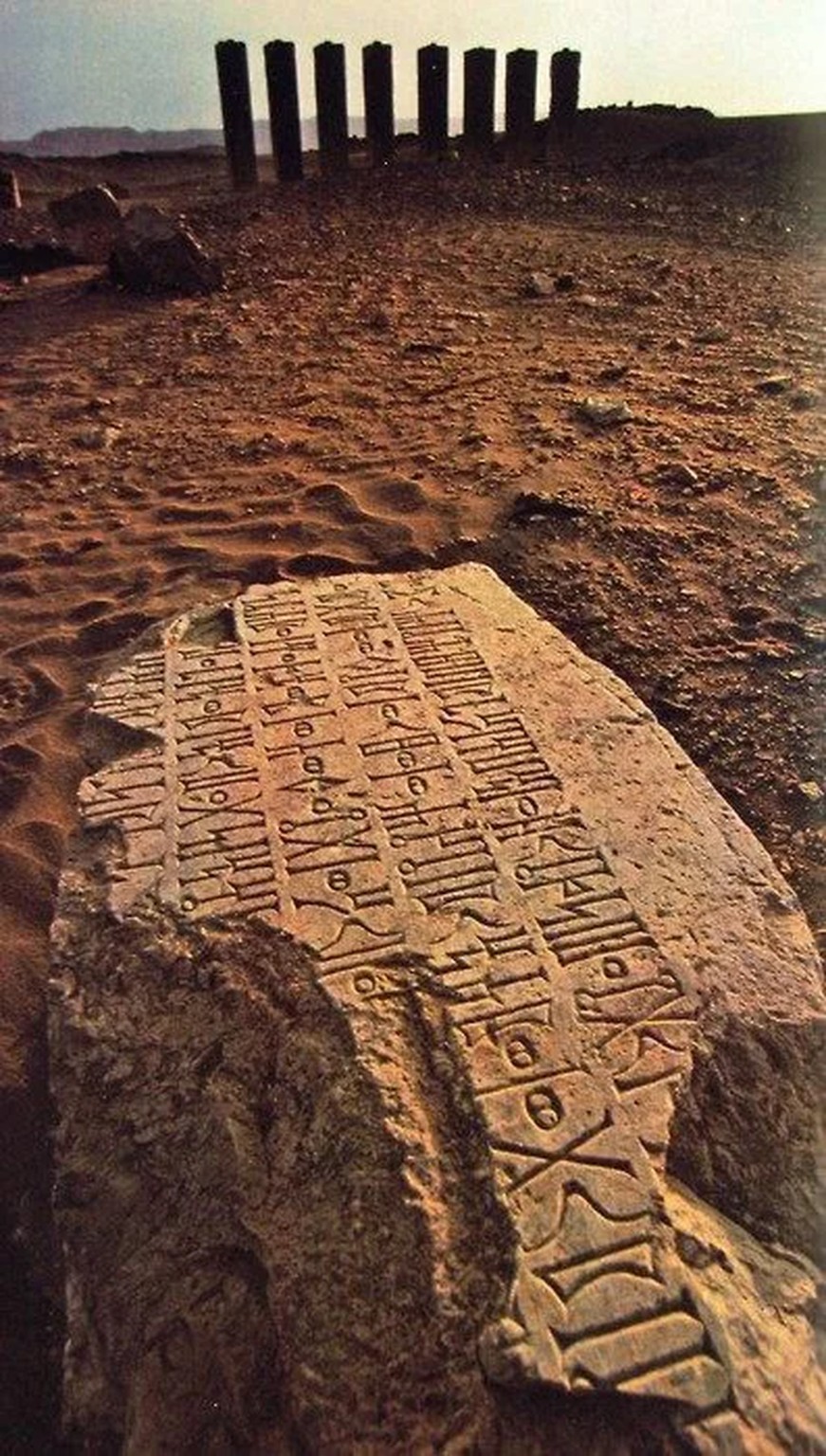
A source-first method for inscription photographs, diplomatic reading, restoration, transliteration, translation, and historical interpretation.
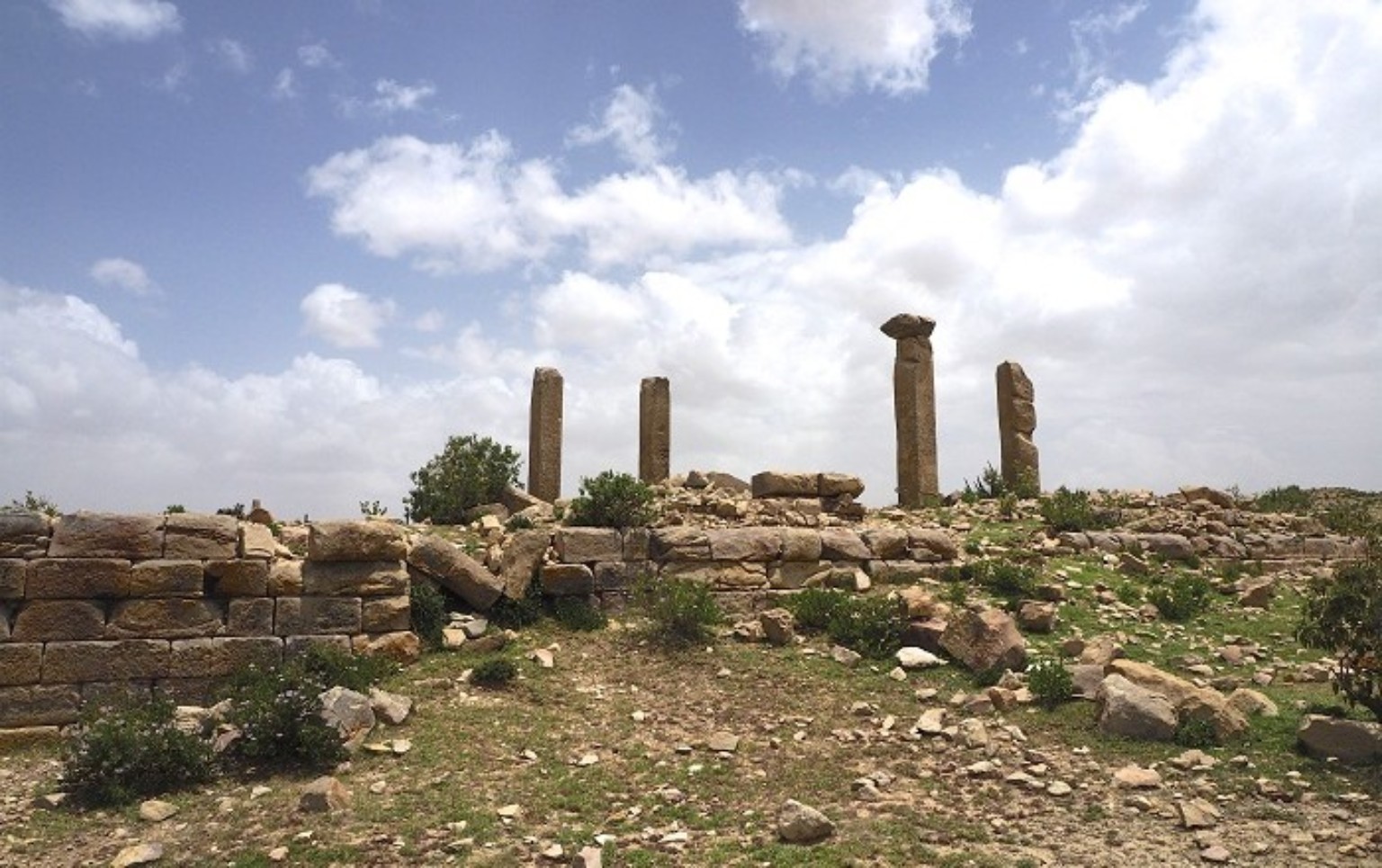
Archaeological evidence for continuity, transformation, settlement history, and political development before the mature Aksumite period.
How securely can sites, inscriptions, rulers, and archaeological phases be dated?
What do surviving titles, settlements, monuments, and inscriptions actually permit us to say about political organization?
Which architectural, linguistic, material, and inscriptional links support interaction across the Red Sea and within the northern Horn?
Which divine names, sanctuaries, dedications, objects, and cultic contexts are securely documented?
Preserve the ancient text before moving from transcription to translation and historical interpretation.
Examine continuity and transformation without forcing the evidence into either a complete-break or unchanged-continuity model.
Yeha, Meqaber Gaʿewa, royal dedications, cult evidence, and inscriptional method.
Authentic inscription imagery, reading method, transliteration, translation, and provenance.
Kingship, inscriptions, coinage, monumental stelae, Adulis, and the Red Sea world.
Browse all twenty published articles across Series 01–04.