Research section

Almaqah & the Inscribed Record

An evidence-led research section examining Almaqah through sanctuary archaeology, inscriptions, royal dedications, documented objects, provenance, and visual epigraphy.

Series 03 • Complete

Almaqah & the Inscribed Record

Five connected articles are now published, moving from the Great Temple at Yeha and Meqaber Gaʿewa through royal dedications, evidence status, and responsible use of ancient inscription imagery.

[A] Attested
Divine names, inscriptions, archaeological contexts, sanctuary remains, documented objects, provenance, and securely published readings.
[B] Defensible comparative
Structured comparison among securely documented sanctuaries, inscriptions, architectural forms, and regional religious traditions.
[C] Reconstruction
Wider theological, cosmological, historical, or HCM-364 models that go beyond what the surviving ancient evidence directly states.
Interpretive rule: Almaqah is securely attested in ancient inscriptions and sanctuary contexts. Claims about precise celestial identity, planetary role, complete theology, or HCM-364 correspondence require separate evidence and must not be presented as though the inscriptions directly state them.
Published series

Five articles

Read the series in order or open any article independently.
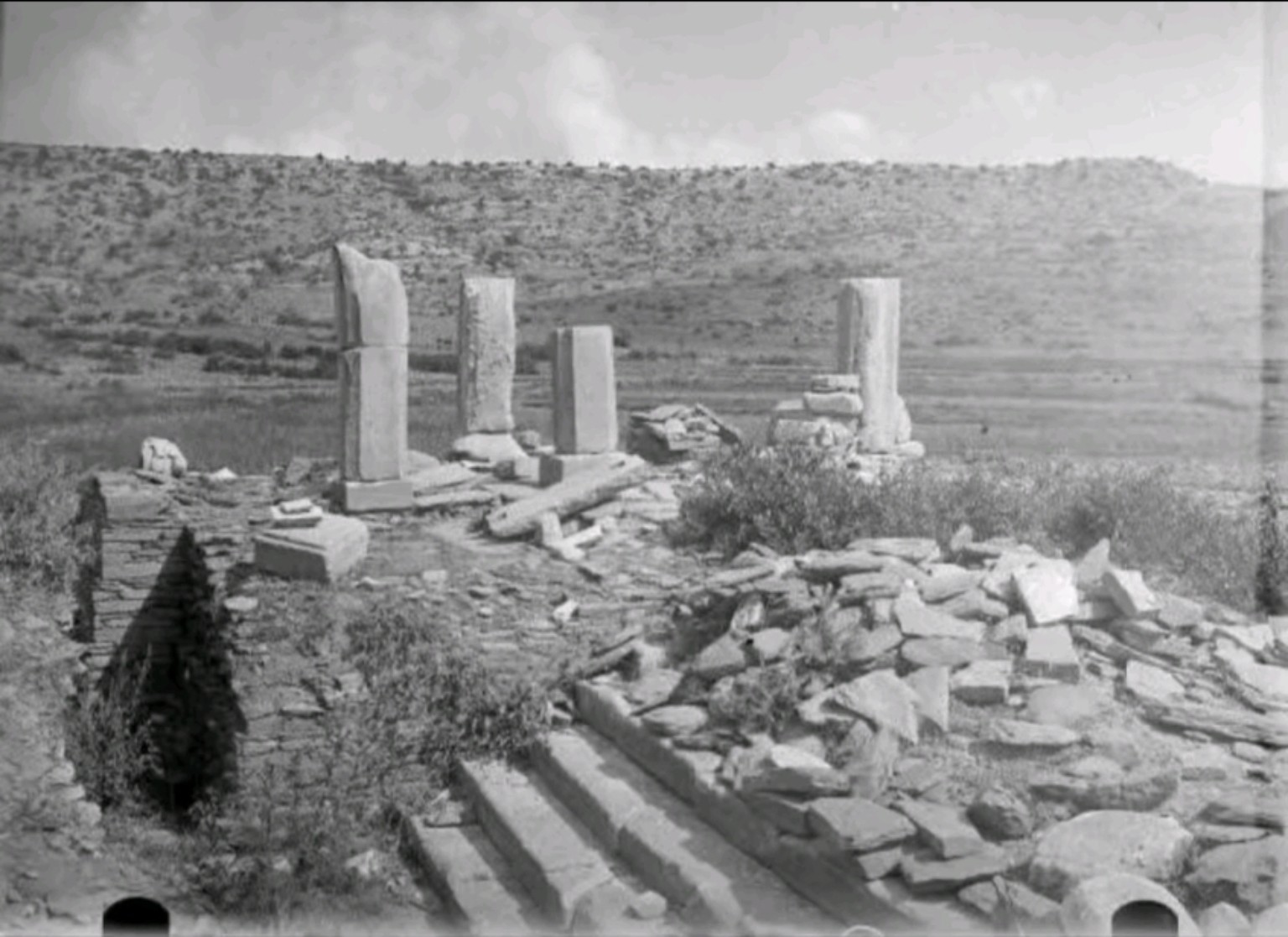
Ancient monumental architecture used for the Yeha research article
Article 1 • Almaqah & the Inscribed Record

The Great Temple at Yeha

Monumental architecture, sanctuary context, Almaqah, Sabaean connections, chronology, and the limits of religious reconstruction.
The Sabaean Universe
Article 2 • Almaqah & the Inscribed Record

Meqaber Gaʿewa

Sanctuary archaeology, royal dedication, Almaqah, political context, provenance, and regional connections.
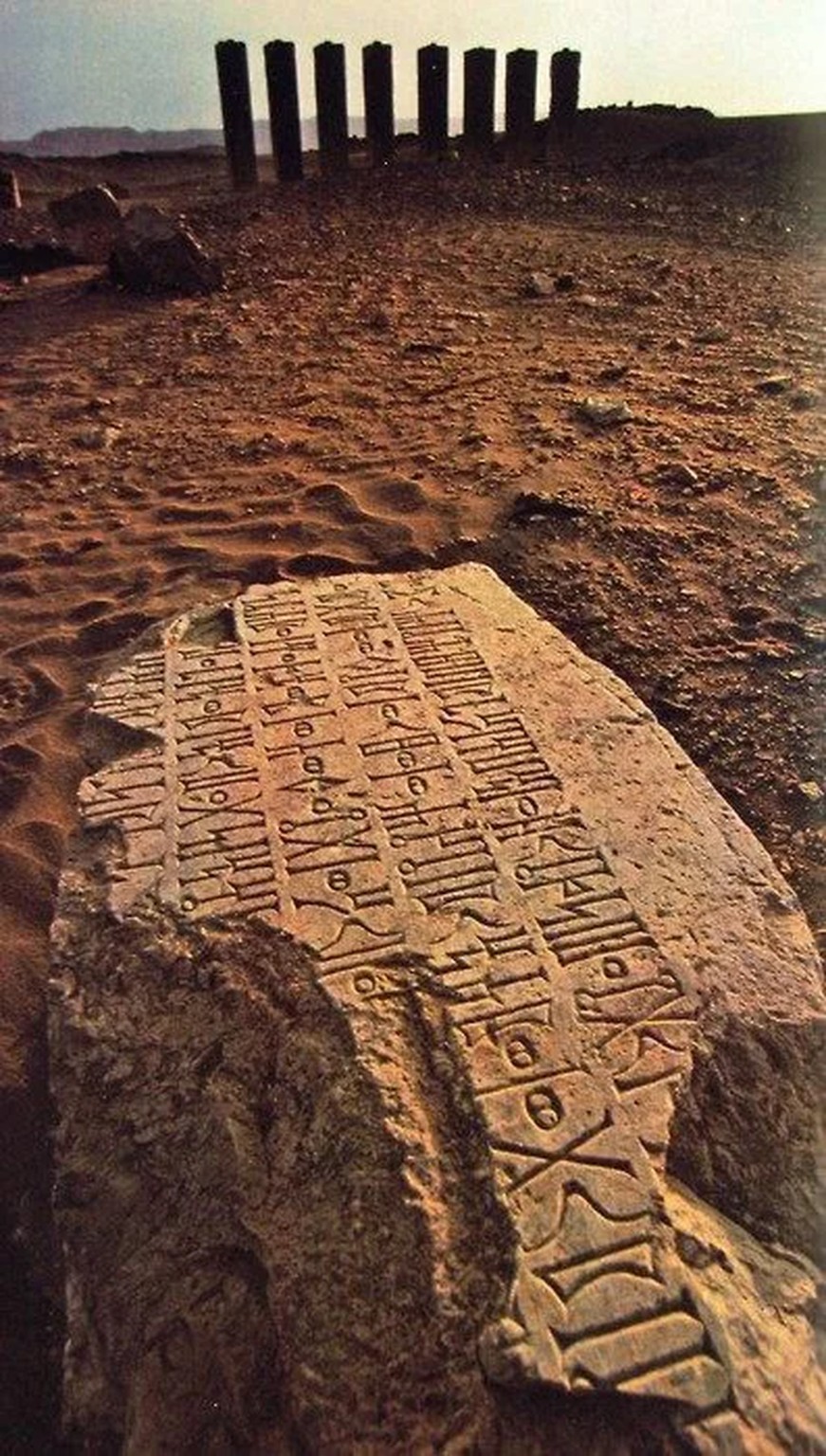
Ancient inscription stone
Article 3 • Almaqah & the Inscribed Record

Royal Dedications

Names, titles, divine references, construction acts, provenance, restoration, translation, and historical interpretation.

The Sabaean Universe
Article 4 • Almaqah & the Inscribed Record

Almaqah: Evidence, Interpretation, and Reconstruction

A strict separation between secure attestation, scholarly comparison, later interpretation, and HCM-364 reconstruction.
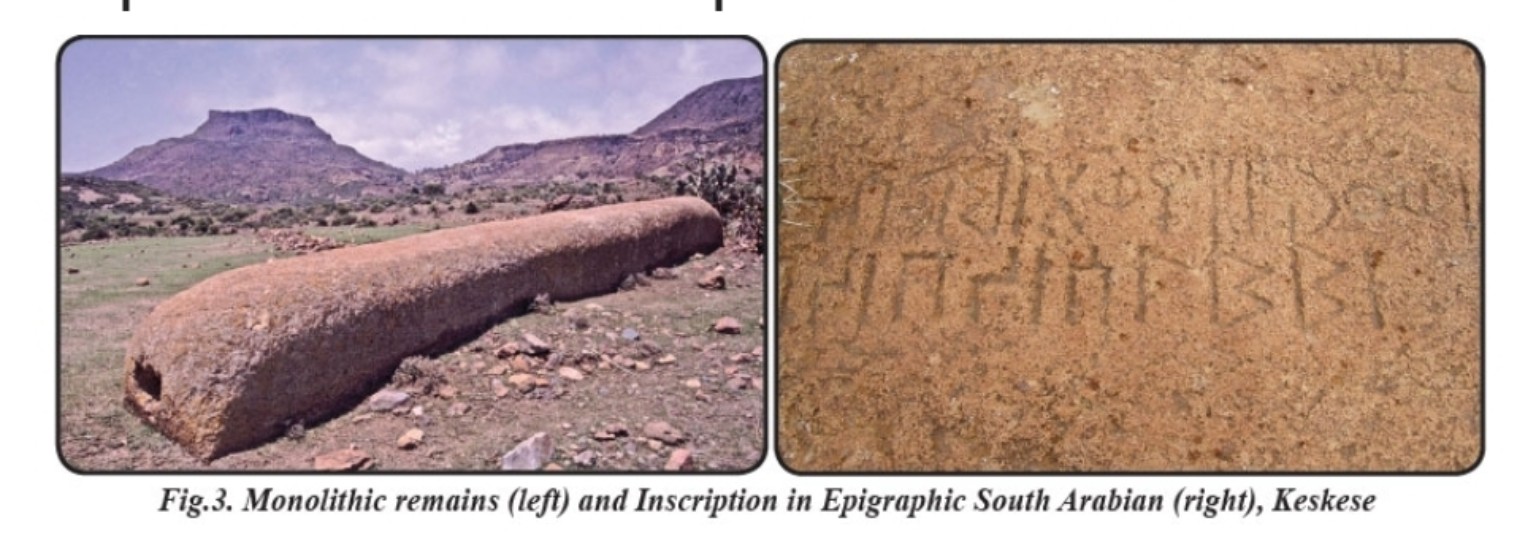
Ancient inscription photograph from the project archive
Article 5 • Almaqah & the Inscribed Record

Visual Epigraphy

Authentic inscription photography, preservation, transcription, restoration, transliteration, provenance, and responsible digital presentation.

Research questions

What this section is testing

Attestation

What is directly preserved?

Begin with the divine name, inscription, sanctuary, object, material, findspot, archaeological context, and securely published reading.

Sanctuary archaeology

What does architecture establish?

Monumental buildings can document organized cultic activity, construction practice, institutional investment, and sacred space without automatically revealing a complete theology.

Royal dedications

What does the text actually say?

Separate names, titles, divine references, verbs, and objects directly preserved in the inscription from broader historical conclusions.

Celestial interpretation

What requires attribution?

Modern identifications of Almaqah with a precise celestial role should be attributed to the relevant scholarship unless directly established by the ancient source being discussed.

Visual evidence

How should inscriptions be shown?

Preserve authentic source imagery and distinguish photography, transcription, restoration, transliteration, translation, and interpretation.

Reconstruction

Where does HCM-364 begin?

HCM-364 may compare ancient cultic or celestial evidence with a reconstructed framework, but the ancient inscription remains the source and the matrix remains the reconstruction.

Source discipline

Images and claims must match

Yeha: use documented architecture or verified source imagery when discussing the sanctuary.

Meqaber Gaʿewa: do not use an unrelated altar or artifact photograph as though its provenance were established for the site.

Royal dedications: inscription imagery can illustrate epigraphic method, but contextual images must not be labeled as the exact dedication unless provenance is secure.

Almaqah: do not use unrelated carved faces, symbols, or generated imagery as though they were direct evidence for Almaqah.

Musnad: authentic supplied inscription → verified published inscription → no inscription. Generated pseudo-script is not evidence.
Evidence workflow

Keep every stage visible

Original photograph
↓
Diplomatic transcription
↓
Restoration, clearly marked
↓
Transliteration
↓
Translation
↓
Historical interpretation
↓
Project reconstruction, if applicable
Continue exploring

Related research sections