Research section
Ancient Astronomy & Calendar Mechanics
A research section examining ancient calendrical mathematics, solar and
lunar cycles, the Book of Luminaries, horizon observation, Venus, and the
methods needed to test HCM-364 against independent evidence.
Series 04 • Complete
Ancient Astronomy & Calendar Mechanics
Five connected articles are now published. The series moves from the
ancient 364-day calendar tradition through 1 Enoch, horizon astronomy,
Venus, and finally the systematic testing of HCM-364.
[A] Attested / observed
Ancient calendrical texts, documented astronomical descriptions,
securely dated sources, and repeatable observations of the sky.
[B] Defensible comparative
Structured comparison among ancient texts, calendrical systems,
astronomical observations, and archaeoastronomical evidence.
[C] HCM reconstruction
The 13 Houses × 7 Gates × 4 Elements model and any historical
relationships not yet directly established by surviving evidence.
Critical distinction:
ancient 364-day calendrical traditions are documented. The complete
HCM-364 architecture of 13 Houses × 7 Gates × 4 Elements is a separate
reconstructed model and is not treated as directly attested by those texts.
Published series
Five articles
Read the series in order or open any article independently.
Article 1 • Ancient Astronomy & Calendar Mechanics
The 364-Day Year
The mathematics of 52 complete weeks, four 91-day quarters,
ancient calendrical evidence, and the distinction between the
historical 364-day year and HCM-364.
Article 2 • Ancient Astronomy & Calendar Mechanics
The Book of Luminaries
Sun, Moon, changing day length, schematic astronomy, and the six
eastern and corresponding western solar gates described in
1 Enoch 72–82.
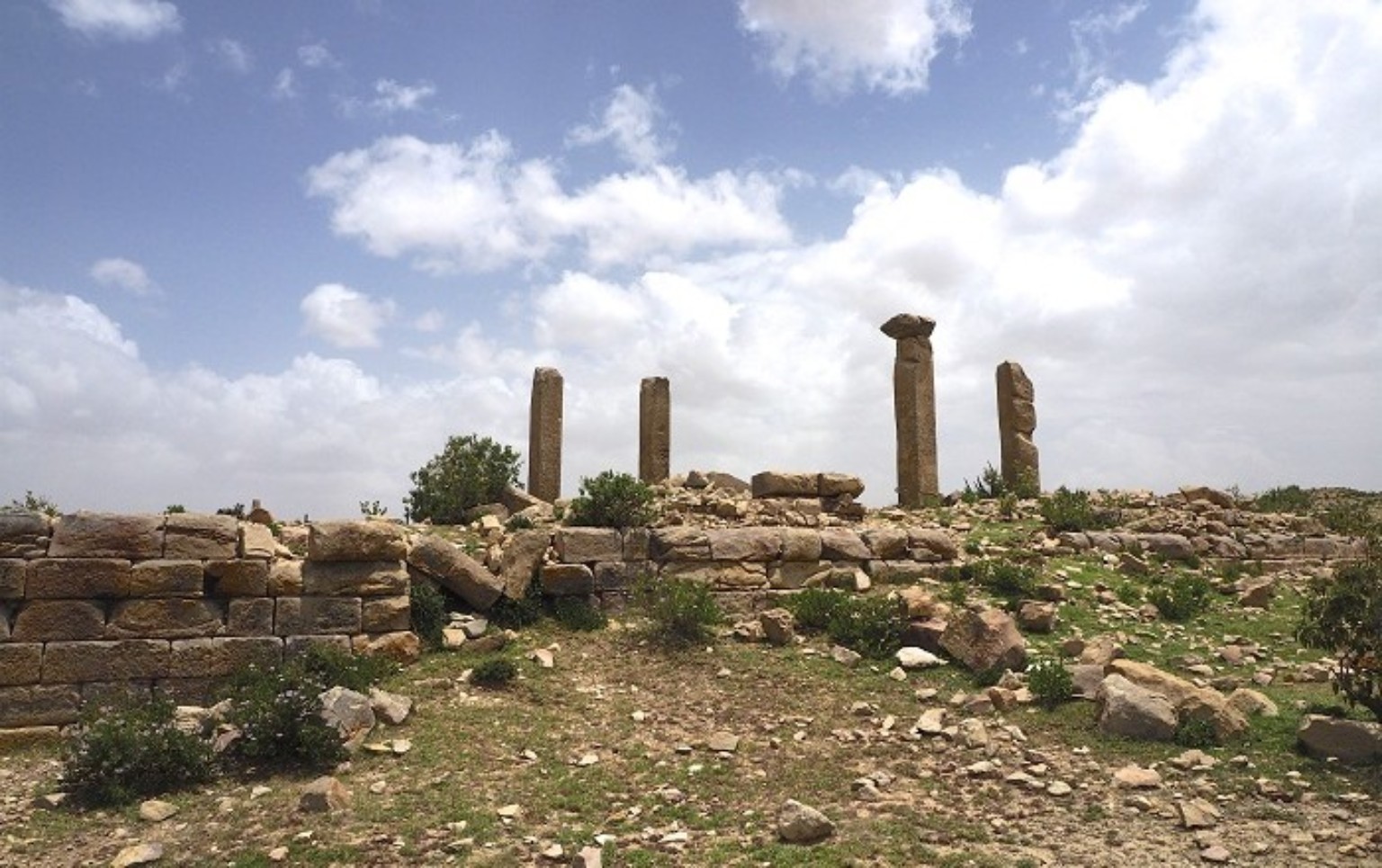
Article 3 • Ancient Astronomy & Calendar Mechanics
Horizon Astronomy
Sunrise and sunset movement, solstices, equinoxes, azimuth,
horizon altitude, landscape markers, field observation, and
archaeoastronomical method.
Article 4 • Ancient Astronomy & Calendar Mechanics
Venus and the Morning Star
Morning and evening visibility, conjunctions, brightness, the
approximately 584-day synodic period, historical interpretation,
and the HCM evidence boundary.
Article 5 • Ancient Astronomy & Calendar Mechanics
Testing HCM-364
A research program for testing the 13 × 7 × 4 model against
astronomy, archaeology, epigraphy, language, chronology, and
competing explanations.
Calendar mechanics
Why 364 matters
Weeks
52 × 7
A 364-day schematic year contains exactly fifty-two seven-day weeks
with no remainder.
Quarters
4 × 91
Four equal 91-day quarters produce the same 364-day total, with
thirteen weeks in each quarter.
Physical year
≈ 365.24 days
The tropical year is longer than 364 days, so long-term calendar
synchronization remains a separate technical question.
Book of Luminaries
Gates must not be conflated
1 Enoch 72–82:
the solar scheme describes six eastern gates and corresponding western
gates used in its account of solar movement.
HCM-364:
the reconstructed model contains seven Celestial Gates forming the WHAT
dimension of the matrix.
Conclusion:
the ancient use of celestial gate language is relevant comparative
evidence, but it does not directly attest the seven-Gate HCM structure.
Observational astronomy
What can be measured directly?
Sun
Horizon movement
Sunrise and sunset positions migrate systematically across the
horizon between seasonal extremes.
Moon
Repeating phases
Lunar phases and cycles are directly observable, but lunar and
solar calendar cycles do not fit together exactly.
Venus
Morning and Evening Star
Venus alternates between conspicuous morning and evening visibility
over an approximately 584-day synodic cycle.
Archaeoastronomy
Observation is not ancient attribution
A modern observer can demonstrate that the Sun or Venus aligns with a
mountain, ridge, notch, doorway, wall, or monument.
That establishes an observable alignment.
It does not by itself establish that ancient people
intentionally used the same alignment for calendrical or ritual purposes.
Historical interpretation requires archaeological, chronological, textual,
statistical, or other independent support.
HCM-364
The reconstructed architecture
Time / When
13 Celestial Houses
The time-coordinate layer of the reconstructed 364-cell system.
Celestial force / What
7 Celestial Gates
The seven-Gate layer of the HCM reconstruction. It must remain
distinct from differently numbered ancient gate systems.
Self / How
4 Elements
Air, Fire, Earth, and Water form the four-element coordinate layer.
HCM-364 formula:
13 Celestial Houses × 7 Celestial Gates × 4 Elements =
364 cells.
The four directions remain an overlay and do not create another
multiplying dimension.
Research standard
Make predictions before interpreting results
1. Define the claim.
State exactly what HCM-364 predicts.
2. Define the evidence.
Decide what observation, inscription, archaeological measurement, or
calendar source can test it.
3. Record the result.
Preserve support, contradiction, and uncertainty.
4. Keep alternatives visible.
Test practical, chronological, statistical, and historical explanations
that do not require HCM-364.
5. Revise when necessary.
Evidence changes the reconstruction. The reconstruction does not rewrite
the evidence.
Evidence boundaries
What the current evidence can and cannot establish
Secure
Ancient 364-day calendar traditions existed. Solar horizon motion,
lunar phases, and Venus cycles are observable astronomical phenomena.
Comparable
Ancient gate language, calendrical structure, horizon observation, and
celestial cycles can be compared with HCM-364 without assuming
historical identity.
Not yet directly attested
The complete ancient integration of 13 Houses, 7 HCM Gates, and
4 Elements into one 364-cell system.
Continue exploring
Related research sections