Research section
Epigraphy
A source-first research hub for ancient inscriptions, photographs,
transcription, restoration, transliteration, translation, provenance,
bibliography, and historical interpretation.
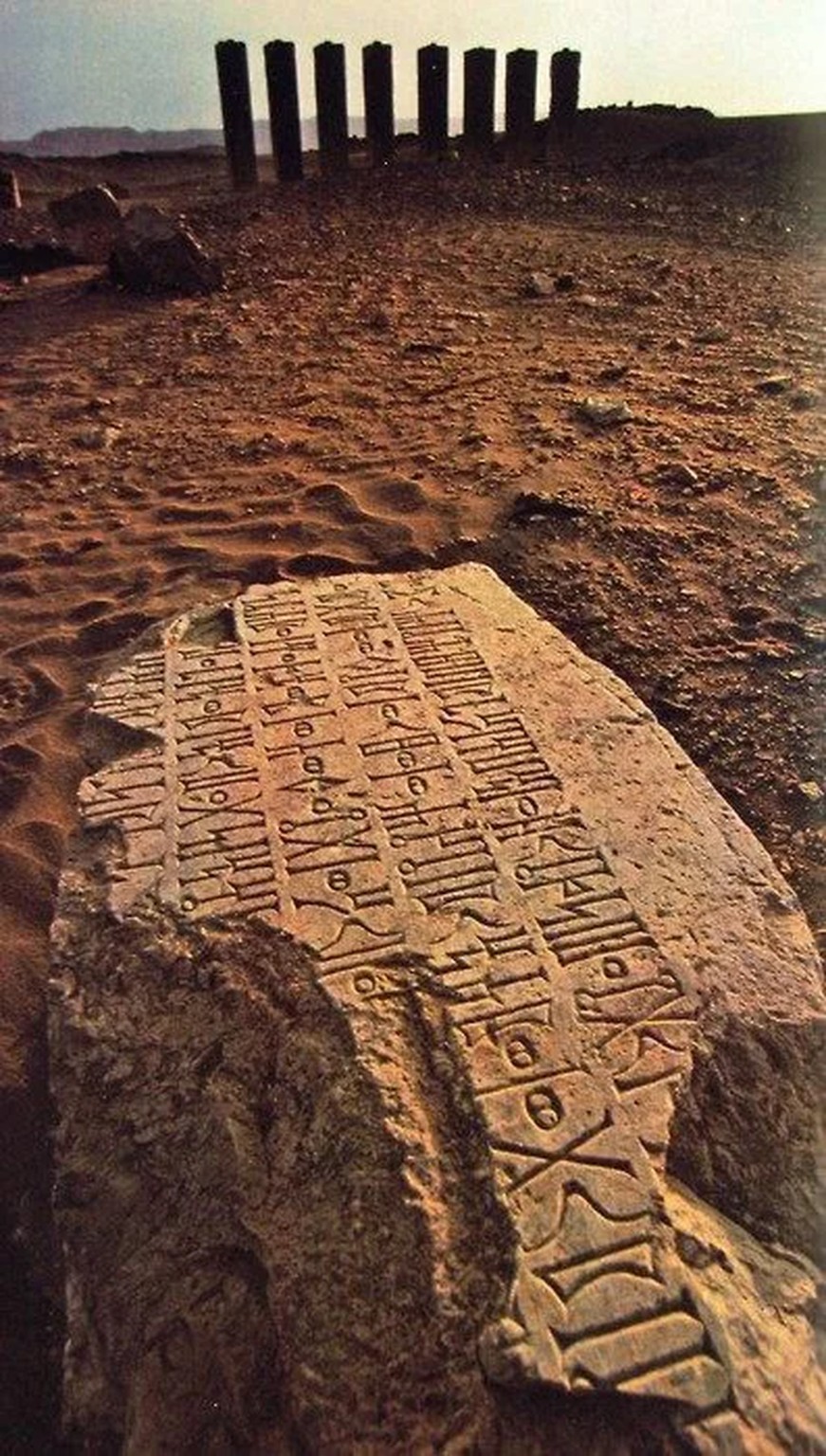
Source discipline
The inscription comes before the interpretation
Every historical argument should begin with the surviving object,
its provenance, the visible signs, and the published reading before
moving into restoration, translation, or wider historical reconstruction.
[A] Attested
Visible signs, original photographs, object material, findspot,
archaeological context, documented provenance, and securely published
readings.
[B] Interpretation
Character identification, restoration, normalization, transliteration,
translation, dating, linguistic analysis, and historical explanation.
[C] Reconstruction
Proposed missing passages, historical syntheses, reconstructed
relationships, and HCM-364 interpretations not directly preserved in
the inscription.
Permanent visual rule:
authentic supplied inscription → verified published inscription →
no inscription.
Generated pseudo-Musnad or decorative invented ancient script is not used
as historical evidence.
Published research
Core epigraphy articles
These articles form the current evidence-method backbone of the
inscription archive.
Epigraphy method
Reading the Stones
A source-first workflow for photographs, character reading,
restoration, transliteration, translation, and interpretation.
Royal inscriptions
Royal Dedications
Names, titles, divine references, verbs, construction acts,
provenance, restoration, and the limits of royal claims.
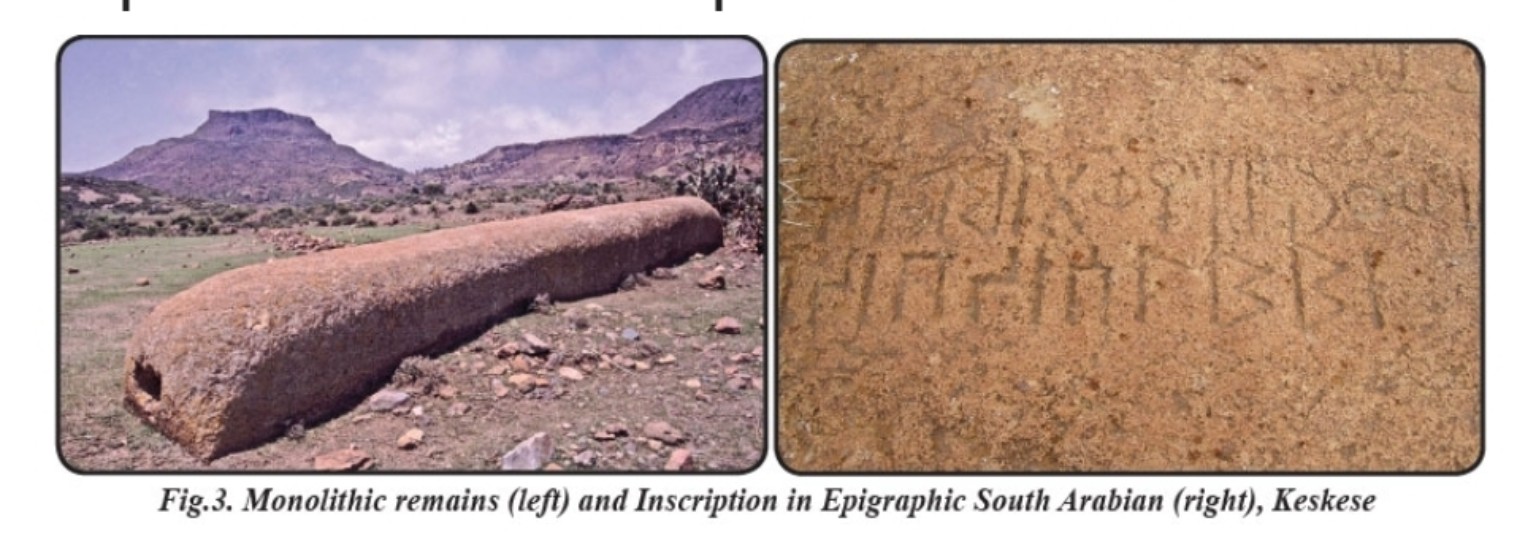
Image method
Visual Epigraphy
Authentic inscription photography, image preservation,
digital enhancement, restoration boundaries, provenance, and
responsible presentation.
Aksumite inscriptions
Ezana: Kingship, Inscriptions, and Religious Change
Multilingual royal texts, political claims, titles, chronology,
changing religious language, and the distinction between royal
representation and independent historical verification.
Evidence status
Almaqah: Evidence, Interpretation, and Reconstruction
How divine names, sanctuary evidence, symbols, inscriptions, modern
scholarly interpretation, and HCM reconstruction should remain
separate.
Epigraphic workflow
Keep every stage visible
1. Original photograph
Preserve the source image before interpretation.
2. Diplomatic transcription
Record what can actually be read from the surviving signs.
3. Restoration
Supply damaged or missing text only when justified and mark it clearly.
4. Transliteration
Represent the ancient script using a declared scholarly system.
5. Translation
Render the text into another language while preserving uncertainty.
6. Historical interpretation
Ask what the inscription tells us about ruler, deity, event, institution,
language, or chronology.
7. Reconstruction
Place broader historical or HCM-364 synthesis only after the earlier
evidence layers are complete.
Source image
Photography is evidence
Preserve
Keep the archival master
Store the highest-quality unaltered image available before creating
cropped, enhanced, or publication versions.
Enhance
Improve visibility, not content
Cropping, rotation, exposure, contrast, and perspective correction
may improve readability without creating ancient signs that are not
present.
Document
Preserve provenance
Record where the image came from, where the object was found, where
it is held, and which publication or catalogue supports the
identification.
Restoration
Missing text must remain visibly missing
Damage is part of the evidence.
If an ancient surface is broken, worn, or unreadable, the source image
should preserve that condition.
A proposed restoration can be presented separately when supported by
surviving traces, grammar, formulaic parallels, or related texts.
Restored characters must never be silently inserted into a photograph as
though they survived on the original object.
Transliteration
Use a declared standard
Transliteration is a scholarly representation of the ancient writing.
It is not the inscription itself. The project should therefore preserve
the source image, explain the transliteration system being used, and avoid
silently normalizing uncertain or damaged signs.
Original script
Reproduce verified ancient characters only when the reading and
character forms are supported by the source.
Transliteration
Convert the source signs into a declared scholarly notation while
marking uncertainty.
Normalization
Normalize spelling or forms only in a separate layer so the original
reading remains recoverable.
Translation
Translation is interpretation
Translation requires decisions about grammar, vocabulary, titles,
divine names, damaged passages, and historical context. Where more than
one reading is possible, the uncertainty should remain visible rather than
being hidden behind a single confident English sentence.
Direct evidence:
“This inscription preserves this name or title.”
Translation:
“This expression is translated this way under the chosen grammatical
interpretation.”
Historical interpretation:
“This may indicate a political, religious, or institutional relationship.”
These are different claims and should not be merged.
Royal inscriptions
A ruler's claim is evidence of the claim
Royal inscriptions are primary historical sources, but they are not
neutral reports. A victory inscription directly establishes that the ruler
publicly claimed victory. Whether every detail of the event occurred as
described requires comparison with independent evidence.
inscription
+
archaeology
+
chronology
+
external texts
+
material evidence
=
stronger historical reconstruction
Inscription archive
Recommended database record
Record ID
Original photograph
Site / findspot
Present location
Museum or inventory number, when available
Material
Dimensions
Script
Language
Date or date range
Dating method
Diplomatic transcription
Restoration notes
Transliteration
Translation
Bibliography
Related ruler, deity, sanctuary, monument, or object
Evidence grade
Confidence notes
Alternative readings
Quality control
Questions for every inscription
Object
Is the provenance known?
Identify the findspot, archaeological context, present location, and
publication history before building historical claims from the text.
Reading
Which signs are secure?
Distinguish visible letters from damaged, uncertain, restored, or
normalized forms.
Interpretation
What is being inferred?
Mark the point where the ancient wording ends and modern historical
interpretation begins.
Chronology
How is the date established?
Separate secure archaeological dating from palaeographic,
linguistic, stylistic, or historical estimates.
Language
Is the linguistic analysis reproducible?
Preserve the original form, declare the transliteration method, and
show the grammatical basis of proposed translations.
Reconstruction
Can the claim be removed from the source?
If an HCM or broader historical claim disappears when the modern
reconstruction is removed, it should remain labeled reconstruction.
Continue exploring
Related research sections
Early Horn
DʿMT
Early inscriptions, political organization, Yeha, chronology, and
monumental archaeology.
Cult evidence
Almaqah
Sanctuary archaeology, dedications, divine names, evidence status,
and visual epigraphy.
Royal inscriptions
Aksum
Ezana, multilingual royal texts, coin legends, political claims, and
changing religious language.
Publication library
All Articles
Browse all twenty published articles across Series 01–04.