Research section

Aksum & the Red Sea World

A source-led research section examining Aksumite political power, inscriptions, coinage, Adulis, monumental stelae, religious change, and the kingdom's connections across the Red Sea and western Indian Ocean.

Series 02 • Complete

Aksum & the Red Sea World

Five connected articles are now published, moving from Aksum's political and monumental landscape through Adulis, Ezana, coinage, and the great stelae.

Evidence
Royal inscriptions, coins, monumental architecture, archaeology, documented objects, port evidence, chronology, and external texts.
Interpretation
Historical arguments about political reach, kingship, trade, religious change, chronology, and regional relationships.
Reconstruction
Broader models of territorial control, political ideology, religious development, and cultural continuity that go beyond direct attestation.
Evidence rule: royal inscriptions directly establish what a ruler's monument says. Coins directly preserve their visible legends, portraits, symbols, metal, and design. Larger political or theological conclusions require comparison with independent evidence.
Published series

Five articles

Read the series in order or open any article independently.
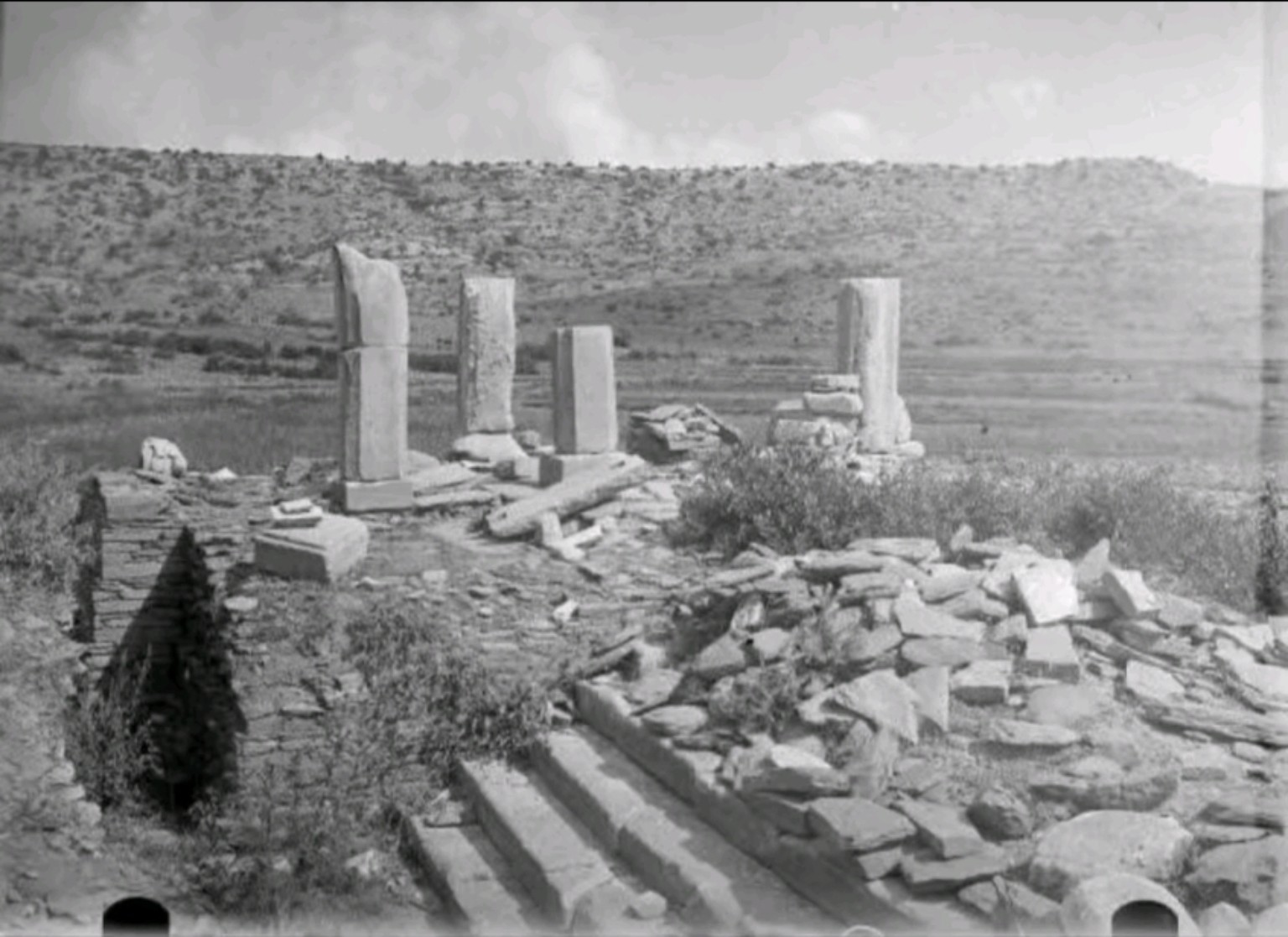
Ancient monumental ruins used as contextual imagery for Aksumite research
Article 1 • Aksum & the Red Sea World

Aksum: A Red Sea Power in Late Antiquity

Political center, monuments, inscriptions, Red Sea connections, and the changing reach of Aksumite power.
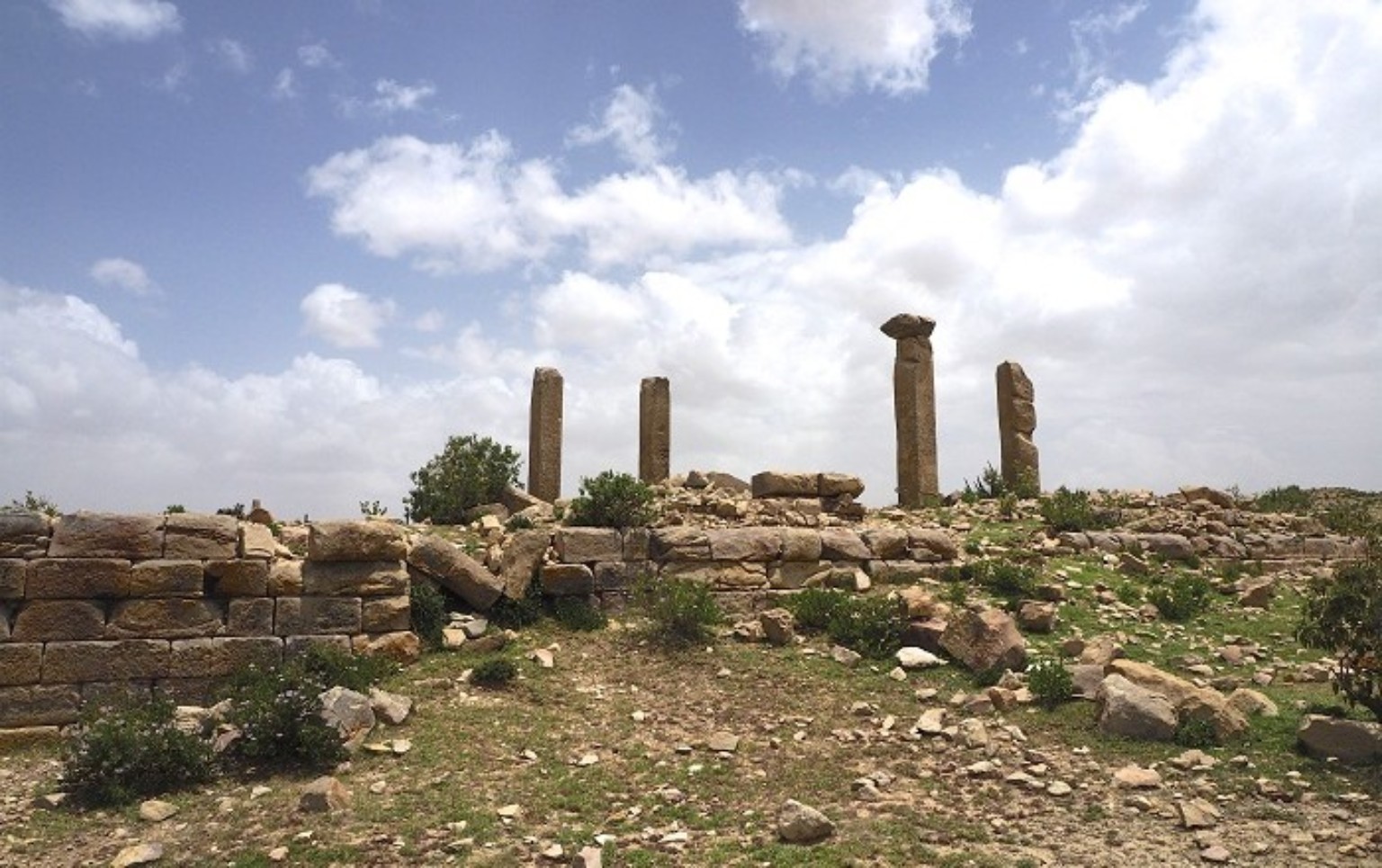
Landscape image used as contextual imagery for regional connections
Article 2 • Aksum & the Red Sea World

Adulis: The Port Connecting Aksum to the Red Sea

Port archaeology, maritime exchange, imported goods, highland connections, and the western Indian Ocean trade network.
The Sabaean Universe
Article 3 • Aksum & the Red Sea World

Ezana: Kingship, Inscriptions, and Religious Change

Multilingual royal inscriptions, titles, military claims, coinage, political representation, and changing religious language.
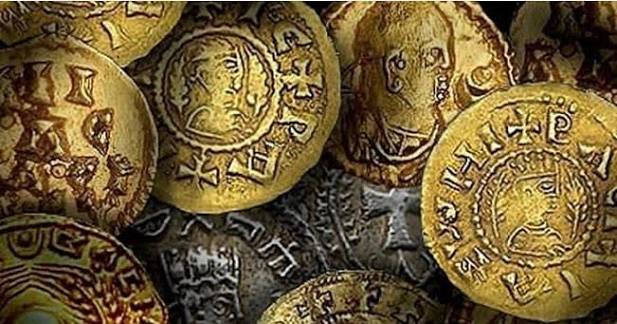
User-supplied Aksumite coin image
Article 4 • Aksum & the Red Sea World

Aksumite Coinage

Royal portraits, inscriptions, symbols, chronology, metallurgy, religious change, and long-distance exchange.

The Sabaean Universe
Article 5 • Aksum & the Red Sea World

The Stelae of Aksum

Monumental engineering, architectural imagery, elite funerary contexts, chronology, collapse, and royal memory.

Research questions

What this section is testing

Kingship

What do royal sources actually establish?

Separate royal titles and claims preserved in inscriptions from independent confirmation of political events or territorial reach.

Maritime networks

What was Adulis's role?

Compare archaeology, imported material, written sources, and regional geography to understand connections between the highlands and sea.

Coinage

What can coins tell us?

Use legends, portraits, symbols, metal, weight, and archaeological context before moving to broader economic or religious conclusions.

Religion

How did royal representation change?

Compare securely dated inscriptions and coin imagery while avoiding the assumption that one object captures the beliefs of an entire population.

Monuments

What do the stelae establish?

Examine engineering, funerary context, visual hierarchy, chronology, and monumentality without turning monuments into undocumented royal biographies.

Chronology

How did Aksum change over time?

Treat political geography, religious language, trade, and monumental practice as historically changing rather than as one fixed Aksumite system.

Source discipline

Objects are not interchangeable

Ezana: use documented Ezana inscriptions or securely identified coinage when making claims about Ezana.

Coinage: use the project's supplied Aksumite coin images only as documented coin imagery, with attribution and chronology checked against published catalogues.

Stelae: do not substitute Hawulti imagery for the monumental stelae of Aksum. Hawulti belongs to a different archaeological context.

Adulis: contextual landscape imagery must not be presented as though it were a photograph of the archaeological port itself unless provenance is verified.
Continue exploring

Related research sections