
Adulis: The Port Connecting Aksum to the Red Sea
Adulis, on the Red Sea coast of present-day Eritrea, was a major maritime settlement associated with the Aksumite world and an important node connecting the northern Horn with Red Sea, Mediterranean, Arabian, and Indian Ocean exchange.
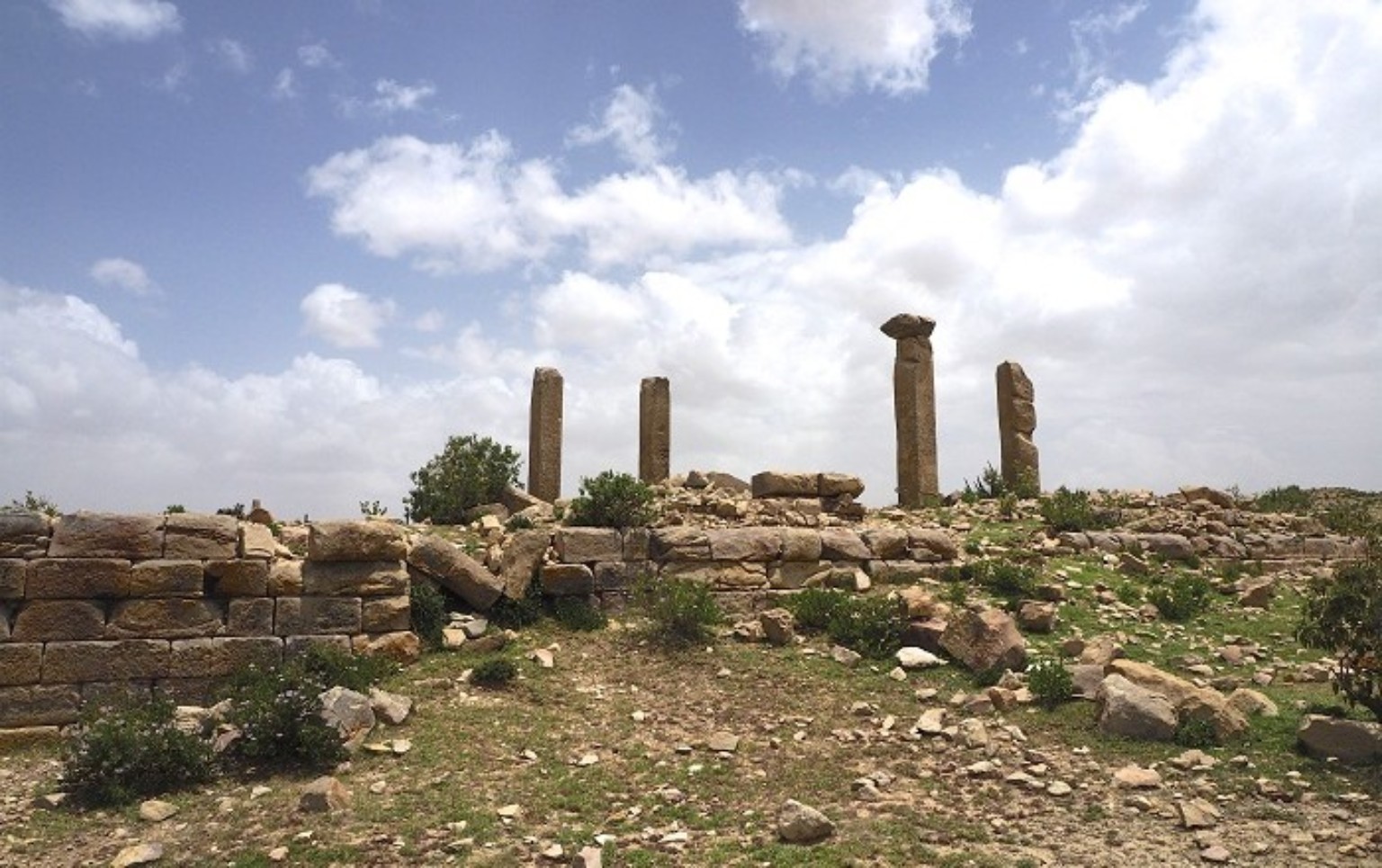
Contextual project image. It is not a photograph of the archaeological site of Adulis and is not used as direct evidence for the ancient port.
A port with a long history
Archaeological and literary evidence places Adulis firmly within the Red Sea commercial world during the early centuries CE, while excavated material indicates a longer settlement history extending further back into the first millennium BCE.
Adulis became one of the most important coastal settlements associated with the Aksumite world. Its location connected inland routes from the highlands with maritime networks running through the Red Sea and into the western Indian Ocean.
Imported ceramics, transport containers, building materials, and other finds demonstrate connections extending beyond the immediate region.
The highlands and the sea
Aksum's principal political center lay inland, but participation in long-distance maritime exchange depended on access to the Red Sea coast. Adulis provided an important point where seaborne traffic could connect with routes leading toward the northern Horn highlands.
This relationship is important because Aksumite history cannot be reconstructed from the highland capital alone. Coastal archaeology provides another part of the same wider historical system.
What moved through Adulis?
Ivory is repeatedly associated with the ancient Red Sea commerce of the region, but Adulis participated in a much wider movement of commodities, people, technologies, languages, and ideas.
Imported containers and other archaeological materials provide physical evidence for connections with distant ports. Products originating in the Horn also entered exchange networks extending toward Arabia, the Mediterranean, and the Indian Ocean.
Imported material
Ceramics, containers, architectural materials, and other finds can document contact with distant production and exchange systems.
Inland connections
Coastal trade depended on routes connecting the port with inland communities, production zones, and political centers.
Written evidence
Ancient descriptions can complement archaeological evidence, but they must be tied to their own dates, purposes, and limitations.
Trade is more than imported objects
Imported artifacts establish contact. They do not automatically tell us who transported the goods, who financed the exchange, who controlled the port, or how commodities were distributed after reaching the coast.
Archaeologists therefore combine imported materials with settlement patterns, architecture, chronology, local ceramics, written sources, environmental evidence, and regional transport routes.
This separates the direct evidence for long-distance contact from broader historical interpretations about economic organization and political authority.
≠
proof of political control
imported object
+
secure context
+
chronology
+
settlement evidence
+
independent sources
=
stronger historical interpretation
Religious change at the port
Archaeological work at Adulis has contributed to the study of Christianity and religious transition in the Late Antique Horn. Excavated church structures and their construction phases provide material evidence for Christian activity at the settlement.
This evidence is useful because religious change can be studied through architecture, stratigraphy, chronology, and spatial organization rather than through later literary traditions alone.
A cosmopolitan setting
Ports often bring together people, goods, languages, technologies, and religious traditions from different regions. Adulis therefore provides a different window onto the Aksumite world from inland royal monuments, inscriptions, and elite funerary architecture.
Coastal material can reveal connections that are less visible in inland political records.
Political status through time
The relationship between Adulis and Aksum should be treated chronologically. A port can participate in the commercial sphere of a kingdom without maintaining exactly the same administrative status through every period.
Evidence for royal authority, trade, religion, architecture, and population therefore needs to be dated independently before being combined into one historical reconstruction.
What can be said securely
Adulis was an important settlement on the Red Sea coast of present-day Eritrea and participated extensively in long-distance maritime exchange. During the Aksumite period it formed part of the wider political and commercial world connected with the highlands.
Archaeology documents substantial settlement activity, imported materials, long-distance contact, and Late Antique Christian architecture.
More specific claims about political administration, harbor organization, population composition, or territorial control require evidence tied to defined chronological periods.
Evidence: archaeological layers, ceramics, architecture, imported objects, ancient texts, and dated religious structures.
Interpretation: arguments about commerce, political authority, religious transition, and connections with Aksum.
Reconstruction: proposed harbor layouts, trade-route maps, territorial models, and other structures not directly preserved in the surviving record.